Agility Training in O’Fallon, MO
At The Fieldhouse Training Center, we help O’Fallon athletes move faster, cut sharper, and gain the confidence and agility that help them stand out on the field.
At The Fieldhouse Training Center, we help young athletes in O’Fallon move faster, cut sharper, and feel confident on the field. Agility training builds the quick feet and body control that separate average players from game changers.
We work with athletes who want more than basic practice. Our agility training pushes them safely while keeping sessions fun and focused. Parents love seeing their kids gain confidence, speed, and pride every time they step onto the field.

Why Our Agility Training in O’Fallon, MO Is Changing the Game
We’ve raised the bar for agility training in O’Fallon. Our programs deliver real results that athletes and parents notice fast. Check out the benefits we offer:
Expert Batting Cages & Sports Trainin
Transparent Pricing With No Hidden Fees
Locally Owned Sports Training Facility
Easy Registration & Friendly Support
Where Athletes Build Speed, Agility, and Confidence
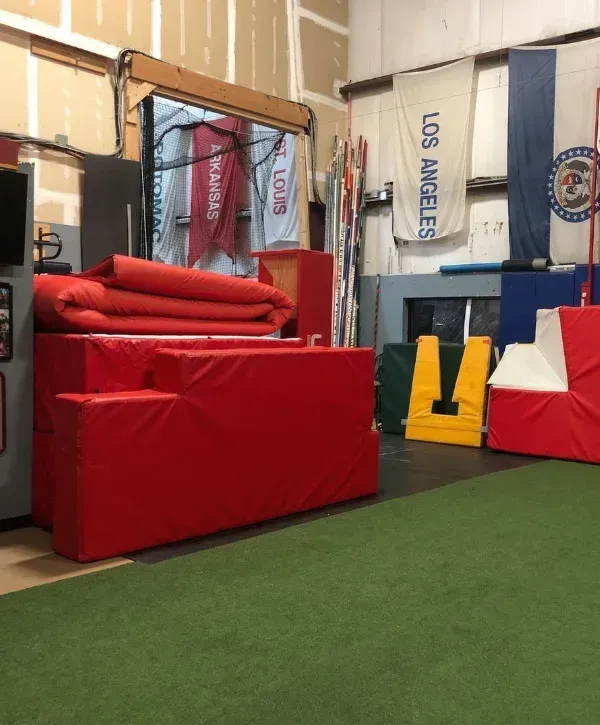
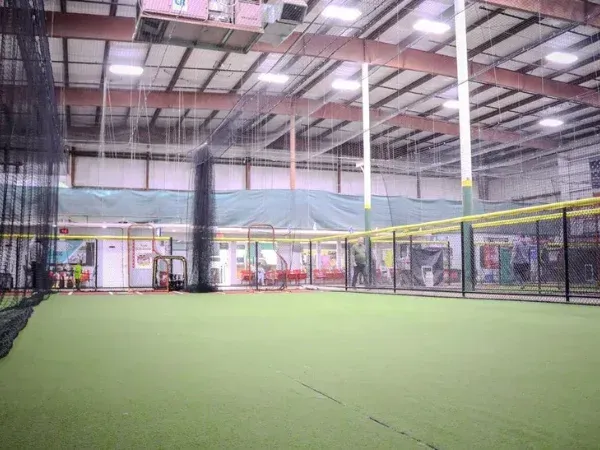
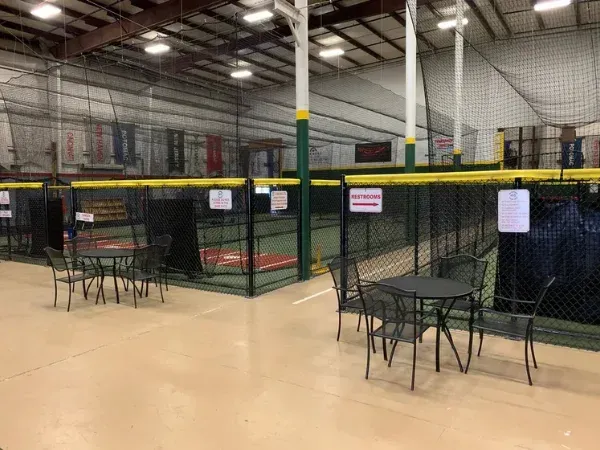
Our indoor facility in O’Fallon, MO is built to support real agility and speed training. With open turf space and multiple training cages, athletes have the room they need to move, react, and develop key skills in a controlled environment.
What Families Say About Our Agility Training in O’Fallon, MO
We are truly thankful for the families and athletes who trust us. Their kind words mean a lot to us. Check out the beautiful things people have to say about us:
My daughter plays for midland softball coach brown ! She loves this facility!

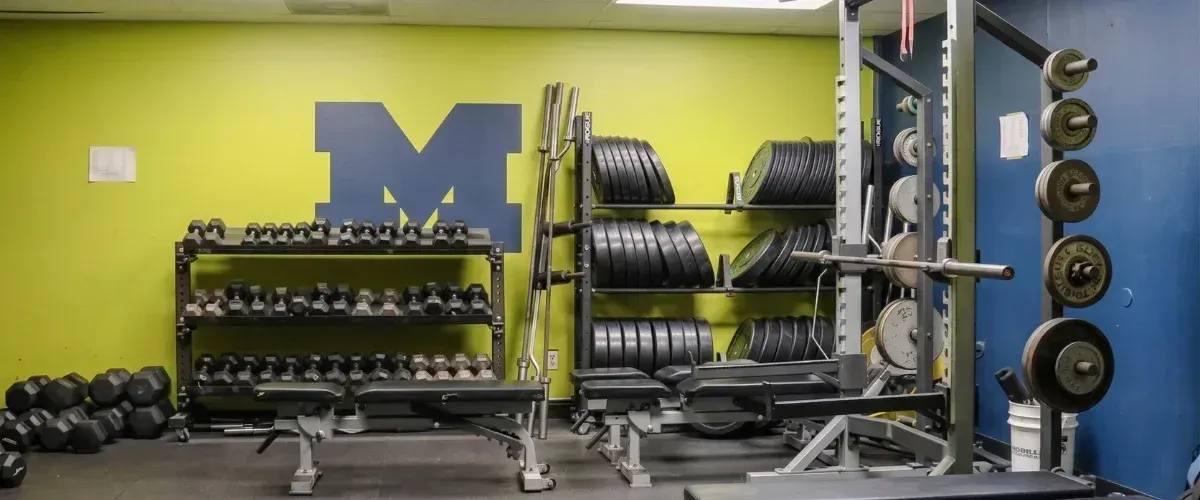
This is a solid indoor practice facility for softball and baseball. They have several batting/pitching cages, large turf area for infield practice, a large turf area for cross-training and a small weight room. Aesthetically, it's a really cool look with signs of old ballparks that label the batting cages, signage & other pieces from the old Busch Stadium and lots of other baseball memorabilia displayed.

Love this place! They always accommodate my girls.

The Fieldhouse Baseball & Softball Training Center has been an amazing experience! I saw so much improvement in my overall baseball growth. The facility is top-notch, with a spacious feel and friendly environment. The batting cages at The Fieldhouse are the best you can find. The staff are also 10/10 with great and friendly service. Whether you're looking for individual training or a fun group session, The Fieldhouse offers something for everyone. I can't recommend them enough! Definitely a 5 star experience!

pretty chill place for my daughter’s softball practice. nice clean facilities inside and out.

A great facility with great coaches & staff!! Absolutely love it!! My daughters softball team practices here

Agility Training in O’Fallon, MO Cost and Pricing
The cost of agility training depends on the athlete and their goals. No two training plans are exactly the same. We provide accurate pricing only after we speak with you and understand your athlete’s needs, experience level, and training goals.
Once we learn more about your athlete, we can recommend the right training plan and schedule. This allows us to give clear pricing and ensure they receive the most value from every training session.
What Affects the Cost of Agility Training in O’Fallon, MO
Several factors influence the price of agility training programs. Each athlete is unique, and different elements can affect the final cost depending on their needs, goals, and training plan.
Training Program Length: Longer programs provide more time to build speed, coordination, and strong movement habits that stay with athletes long after their training sessions end.
Private vs Group Training Sessions: Private sessions offer focused coaching and personalized drills, while group training builds competition, teamwork, and energy that pushes athletes to improve faster.
Clear Timelines and Honest Expectations for Agility Training in O’Fallon, MO
We believe athletes and families deserve clear expectations. As experienced trainers, we provide realistic timelines and honest budget estimates so you always know what to expect during the agility training process.

We respect the plan we set together. If we outline a training schedule and cost, we stay committed to that plan so families feel confident and comfortable every step of the way.

We also stay focused on the timeline we agree on. Each session builds on the last so athletes keep progressing and reaching their goals without wasted time or unnecessary delays.
Agility Training Is Simple When You Train With Us
We keep everything simple and stress free. From the first conversation to the final session, we guide the process so athletes stay focused on growth, confidence, and performance.
Step 1: Collaborate
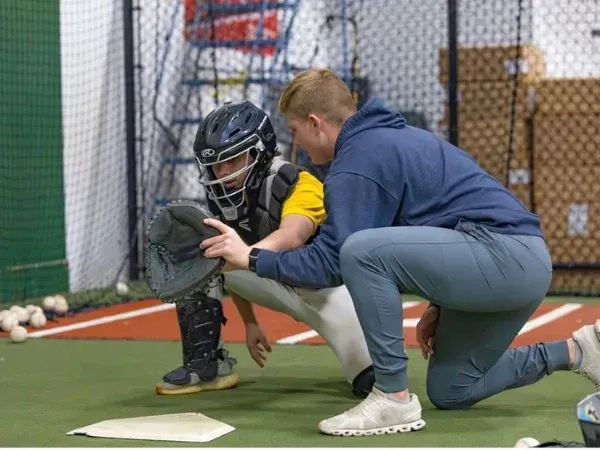
We talk with athletes and parents to understand goals, sport demands, and current ability.
Step 2: Work
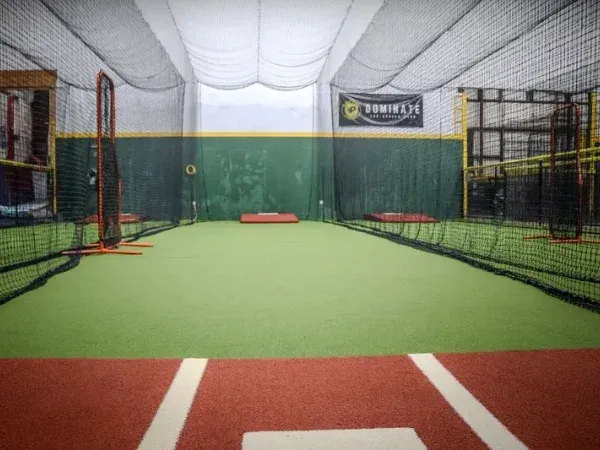
We run focused agility drills that build speed, balance, reaction time, and confidence.
Step 3: Enjoy
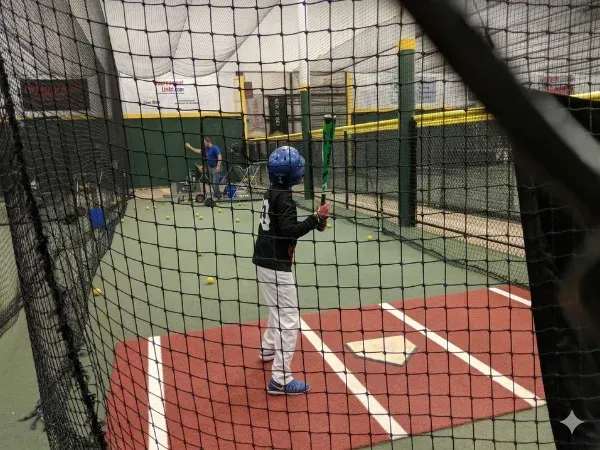
Athletes feel stronger, faster, and proud as they see real improvement in games.
Agility Training in O’Fallon, MO FAQs
What is agility training and why is it important for athletes?
Agility training helps athletes improve quick movement, balance, and reaction time during a game. A good agility training session uses drills that train the body to change direction, accelerate with speed, and stay controlled during forward running, sprint movements, and sudden stops. These exercises help increase foot speed, improve foot control, and strengthen an athlete's agility on the ground, court, or field. This type of training is critical for sports like soccer, basketball, and football because players must react quickly to defenders, the ball, and changing game situations. Over time, training agility helps athletes perform better and develop stronger overall sport performance.
What happens during a typical agility training session?
A typical agility training session begins with a warm up that prepares the body for physical movement. Athletes then complete a series of drills designed to increase foot speed, improve balance, and sharpen reaction time. These drills may involve cones, hurdles, quick sprint work, and direction-switching exercises that test an athlete’s ability to react and move quickly. Coaches focus on techniques that help athletes execute movements correctly while building endurance and power. The goal of every session is to help athletes practice movement patterns they will use during real game competition.
How can agility training improve foot speed and movement?
Agility training uses specific drills that target foot speed, body control, and coordination. Exercises that involve quick steps, ladder drills, and hurdle progressions help athletes move their feet faster while staying balanced on the floor or ground. These methods train the body to react quickly and switch direction smoothly. As athletes practice each week, their foot speed improves and their movement becomes more efficient. This progress helps athletes create space from defenders and perform better during games on the court or field.
Which sports benefit the most from agility training?
Many sports benefit from agility training because athletes constantly move, react, and change direction. Soccer players use agility to move around defenders and control the ball. Basketball athletes rely on quick footwork to defend, sprint, and switch direction on the court. Football players use agility to react to opponents and break forward during plays. These sports involve fast movement, balance, and power, which makes training agility a great option for athletes who want to enhance their performance and gain a competitive edge.
How often should athletes practice agility training?
Most athletes see good progress when they practice agility training one to three times per week. Consistent practice helps the body develop stronger movement patterns and improve endurance. Each week of training builds on the last, allowing athletes to increase speed, improve balance, and strengthen their physical ability. Coaches often incorporate progressions so athletes can continue improving while avoiding burnout. Regular training sessions help athletes stay sharp and ready for competition.
What types of drills are used in agility training?
Agility training often includes drills that challenge speed, balance, and reaction. Examples include ladder drills to increase foot speed, cone drills that test direction changes, sprint exercises that build power, and hurdle drills that train athletes to move quickly over obstacles. Some programs also incorporate a wilderness agility course or fun challenges inspired by the ape atoll agility course concept to create engaging training environments. These drills help athletes develop the ability to react quickly and execute movements efficiently during sport competition.
How can athletes get started with agility training?
Getting started with agility training is simple. Families can contact a training center, discuss their athlete’s sport goals, and schedule an agility training session. Coaches will often test an athlete’s movement, speed, and physical ability before creating a training plan. They may also share instruction, tips, videos, and examples so athletes understand how to complete each drill. With the right equipment, guidance, and consistent practice, athletes can join a structured program that helps them achieve progress, enhance performance, and build confidence on the field or court.
Get Faster, More Confident, and Game Ready With Agility Training in O’Fallon, MO
Many athletes wish they started agility training sooner. Speed, balance, and quick direction changes give players a real edge during games. When athletes move better, they play with confidence and coaches start to notice.
If your athlete wants to stand out, we’re ready to help. Contact us at (636) 281-2255 and let us at The Fieldhouse Training Center guide their agility training journey toward stronger performance and lasting confidence.
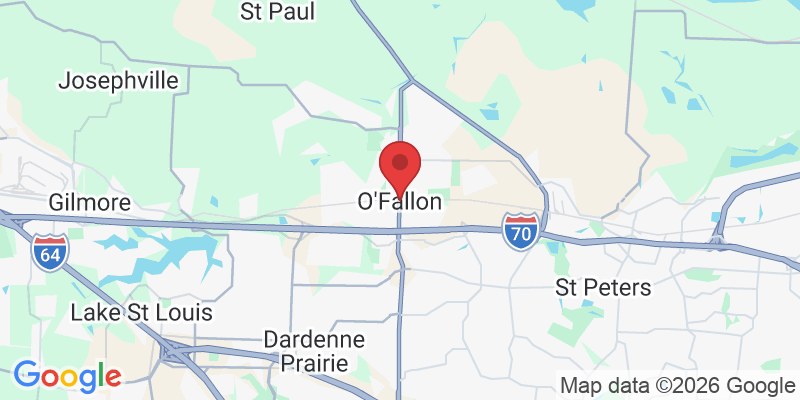
O’Fallon, MO is one of the fastest-growing communities in the St. Charles County area. Residents enjoy beautiful places like Fort Zumwalt Park, the Knaust Park recreation area, and events held at CarShield Field. The city blends family-friendly neighborhoods with active lifestyles. Many people here value health, fitness, and community support. At The Fieldhouse Training Center, we are proud to help local residents grow stronger every day. For more information, call (636) 281-2255.
The Fieldhouse Training Center is a premier sports training facility in O’Fallon, MO, offering batting cages and performance programs designed to help athletes improve skills, strength, and confidence.
Quick Links
Programs
Contact Info
© 2026 The Fieldhouse Training Center. All Rights Reserved.