Why Agility Training in St. Peters, MO Is Essential for Every Athlete
If you live in St. Peters, MO, you've probably noticed how active the local sports community is. From youth leagues and school athletics to adult recreational sports, athletes throughout the area are always looking for ways to perform better, stay healthy, and gain an edge over the competition. One of the most effective ways to achieve those goals is through agility training in St. Peters, MO.
Whether you're a young athlete hoping to make the varsity team, a weekend warrior who enjoys staying active, or a parent looking to help your child succeed in sports, agility training offers benefits that go far beyond running faster. It helps improve reaction time, balance, coordination, body control, and injury prevention while building confidence that carries over into competition.
At Thomas Restoration NV, we understand the importance of investing in long-term performance. This guide will walk you through everything you should know about agility training, why it's so valuable for athletes in St. Peters, and how consistent training can help improve results across nearly every sport.
What Is Agility Training?
Agility training focuses on improving your body's ability to move quickly, efficiently, and under control while changing direction. Unlike traditional conditioning that mainly emphasizes speed or endurance, agility combines several athletic skills into one complete training approach.
These include:
Quick acceleration
Rapid deceleration
Direction changes
Balance
Coordination
Foot speed
Reaction time
Body awareness
Every movement requires your muscles and nervous system to work together efficiently. The better they communicate, the more naturally your body responds during competition.
Why Agility Training in St. Peters, MO Is Essential for Every Athlete
There is a reason coaches at nearly every competitive level include agility work in practice.
Athletes rarely move in straight lines during games. Instead, they sprint, stop, pivot, shuffle, jump, and react to constantly changing situations. Agility training prepares your body for these real-world athletic demands.
In St. Peters, athletes participate in sports like:
Football
Baseball
Softball
Soccer
Basketball
Volleyball
Tennis
Wrestling
Lacrosse
Track and field
Cheerleading
Martial arts
Every one of these sports requires quick, controlled movement.
Without proper agility training, athletes often rely only on natural ability. While talent helps, proper movement mechanics usually separate good athletes from great ones.
The Benefits of Agility Training
Faster Reaction Times
Sports happen quickly.
A fraction of a second often determines whether you catch the ball, steal a base, make a tackle, or score.
Agility drills improve how quickly your brain processes information and tells your body how to react.
Better Balance
Balance isn't just about standing on one foot.
Athletes constantly compete while leaning, jumping, landing, and changing direction.
Improved balance helps you stay in control during every movement.
Increased Coordination
Coordination improves how different muscle groups work together.
As coordination develops, athletes move more smoothly and efficiently while using less energy.
Better Footwork
Quick feet matter in nearly every sport.
Agility drills teach athletes to:
Move laterally
Pivot efficiently
Maintain proper posture
Keep their feet underneath them
React without hesitation
Improved Athletic Confidence
Confidence comes from preparation.
Athletes who consistently practice difficult movements become more comfortable during competition because they've already mastered those movements in training.
Injury Prevention Through Agility Training
One of the biggest advantages of agility training is reducing injury risk.
Athletes often suffer injuries when:
Landing incorrectly
Cutting too aggressively
Losing balance
Moving with poor body control
Fatiguing late in competition
Agility exercises strengthen stabilizing muscles while teaching safer movement patterns.
This can reduce the likelihood of injuries involving:
Ankles
Knees
Hips
Hamstrings
Groin muscles
Lower back
Learning proper mechanics early often pays dividends throughout an athlete's career.
Why St. Peters Athletes Benefit Even More
St. Peters experiences all four seasons.
Athletes often transition between:
Spring sports
Summer tournaments
Fall athletics
Winter conditioning
This year-round activity means many athletes rarely take long breaks.
Regular agility work helps maintain movement quality throughout changing seasons while preparing athletes for different playing surfaces and weather conditions.
Outdoor fields, indoor courts, wet grass, artificial turf, and hardwood floors all demand excellent body control.
Sports That Benefit Most From Agility Training
Although every athlete benefits, agility training is especially valuable for:
Football
Players constantly accelerate, stop, tackle, avoid defenders, and change direction.
Soccer
Quick footwork and explosive movement are essential for both offense and defense.
Basketball
Players shuffle, sprint, jump, pivot, and defend continuously.
Baseball and Softball
Fielding, stealing bases, and reacting to batted balls all require outstanding agility.
Volleyball
Fast lateral movement and quick reactions improve both offense and defense.
Tennis
Every point demands explosive side-to-side movement.
Wrestling
Balance, body control, and quick positioning are major advantages.
Common Agility Training Exercises
Quality agility programs often include several training methods.
These may include:
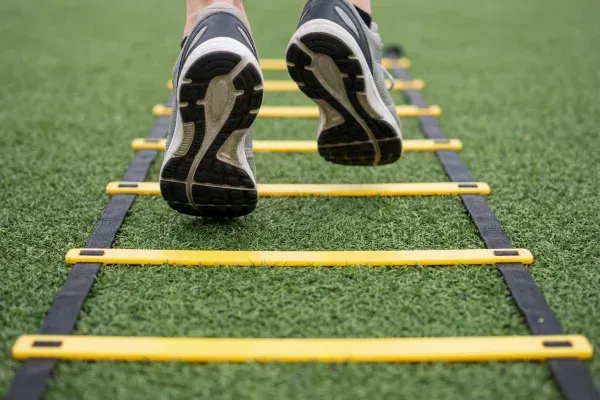
Ladder drills
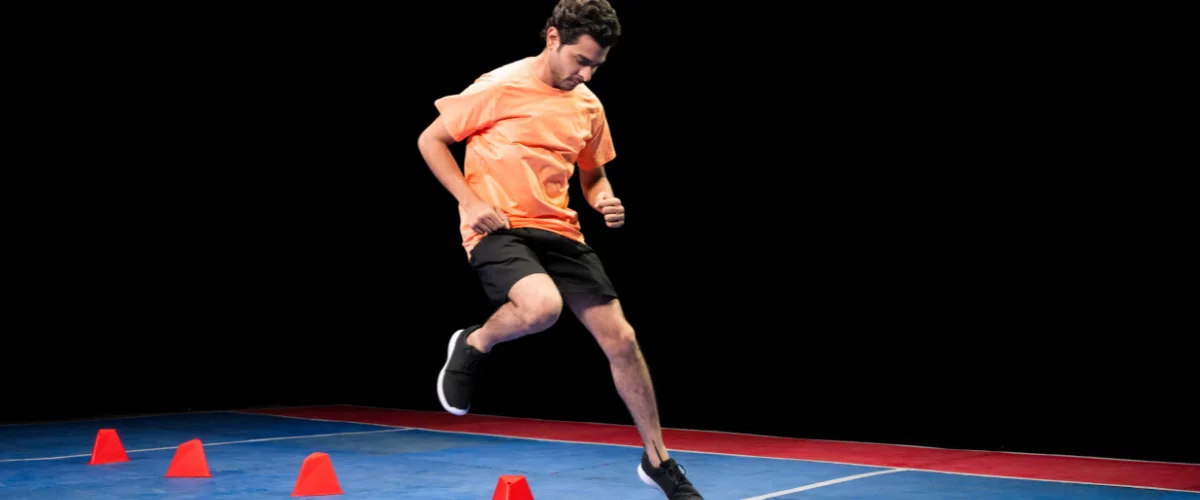
Cone drills
Shuttle runs
Lateral shuffles
Reaction drills
Sprint intervals
Jump training
Single-leg balance work
Resistance exercises
Medicine ball drills
The goal is not simply moving faster.
The goal is moving smarter.
How Often Should Athletes Train?
Most athletes benefit from agility training two to three times each week.
Sessions don't need to be extremely long.
A focused workout lasting 30 to 45 minutes can provide significant improvements when performed consistently.
Recovery also matters.
Allowing muscles time to recover helps maximize performance gains.
Proper Warm-Ups Matter
Jumping straight into intense movement is never recommended.
Effective warm-ups often include:
Light jogging
Dynamic stretching
High knees
Butt kicks
Lunges
Arm circles
Hip mobility exercises
Preparing muscles properly helps improve performance while lowering injury risk.
Nutrition Supports Better Performance
Training is only part of the equation.
Athletes also need proper nutrition.
Healthy habits include:
Drinking enough water
Eating lean protein
Choosing whole grains
Eating fruits and vegetables
Getting enough sleep
Recovery is where the body becomes stronger.
Mistakes Athletes Should Avoid
Many athletes unintentionally slow their progress.
Common mistakes include:
Skipping warm-ups
Using poor technique
Training too much
Ignoring recovery
Wearing improper footwear
Focusing only on speed instead of control
Quality movement should always come before maximum speed.
How Parents Can Support Young Athletes
Parents play an important role in long-term athletic development.
You can help by:
Encouraging consistent practice
Supporting healthy eating
Prioritizing sleep
Celebrating improvement instead of perfection
Promoting proper recovery
Helping athletes enjoy the process
Positive support builds confident competitors.
Agility Training Builds More Than Athletic Ability
The benefits extend beyond sports.
Agility training helps develop:
Discipline
Confidence
Focus
Decision-making
Mental toughness
Body awareness
Healthy habits
These skills remain valuable throughout life.
Signs Your Agility Is Improving
Many improvements happen gradually.
You may notice:
Faster first steps
Better balance
Cleaner direction changes
More confidence
Less fatigue
Better coordination
Improved game performance
Fewer minor injuries
Consistent progress is usually more important than dramatic changes overnight.
Best Manufacturers of Agility Training Equipment
Quality agility equipment helps athletes train safely and consistently while improving movement, coordination, speed, and overall athletic performance across many different sports.
SKLZ – Produces durable agility ladders, cones, resistance trainers, and speed equipment trusted by athletes and coaches worldwide.
Perform Better – Offers professional-quality agility equipment designed for structured athletic development, conditioning, and performance improvement across multiple sports.
Power Systems – Manufactures dependable cones, hurdles, agility ladders, and training accessories suitable for schools, clubs, and individual athletes.
Champion Sports – Provides affordable agility training products built for regular practice sessions, youth sports programs, and recreational athletic development.
Gopher Sport – Creates long-lasting athletic training equipment designed for coaches, schools, fitness facilities, and competitive sports organizations.
Work With Experienced Professionals
Our team has spent years helping clients through professional services while focusing on quality workmanship, dependable customer care, and long-term value. Choosing experienced professionals helps you avoid costly mistakes and achieve better results that last. If you're ready to get your project tackled by our team of industry experts, contact Thomas Restoration NV today at 636-281-2255 to get started.
Frequently Asked Questions
Is agility training only for competitive athletes?
No. Agility training is helpful for athletes of all skill levels, from beginners to experienced players. It builds better body movement, coordination, balance, and reaction time, which are useful in many sports. Whether you play for fun or compete at higher levels, regular training can improve your sports performance. The key is to start small, stay consistent, and build your ability over time.
How often should I practice agility training?
Most athletes see good results by doing agility workouts two to three times each week. Each workout should include a proper warm-up, agility drills, and recovery time. Giving your body time to rest helps your muscles recover and grow stronger. A good plan with consistency is more beneficial than trying to train every day without enough recovery.
What types of exercises are included in agility training?
A complete program usually combines several types of drills to improve speed, footwork, and control. Common exercises include cone drills, ladder work, forward running, shuttle runs, plyometric exercises, jumps, sprint intervals, and hurdle drills. These exercises help athletes change direction quickly while staying balanced and in control during a game or competition.
Do I need special agility equipment?
Not always. Many beginners can begin with simple markers, open space, and bodyweight exercises. As your skill improves, adding agility equipment like ladders, cones, mini hurdles, and an agility course can help make your practice more effective. Good equipment supports safe movement, improves athletes' agility, and adds variety to every workout.
Can agility training help prevent injuries?
Yes. One of the biggest benefits of agility training is improving the way your body moves. Better balance, coordination, and control help reduce stress on your joints and muscles during fast movements. Learning proper landing, cutting, and change-direction techniques lowers the chance of injuries while helping athletes perform with more confidence during a competitive sport.
Will agility training make me faster?
Yes. While speed and agility are different skills, they work together. Better footwork, quicker reaction time, stronger power, and smoother body movement all help athletes move faster across the ground. Over time, regular training can enhance acceleration, improve pace, and make it easier to react during fast-moving situations in basketball, football, soccer, and other team sports.
Is dog agility training similar to athletic agility training?
Both focus on movement, coordination, and practice, but they are designed for different goals. Dog agility training teaches a dog to move through an agility course filled with weave poles, tunnels, jumps, and other obstacle challenges while responding to basic commands from the trainer. Handlers often guide their dog using the same hand, body position, and clear signals. Different breeds learn at different speeds, but with hard work, patience, and consistency, many dogs can enjoy agility training and build confidence along the way.
How long does it take to see results from agility training?
Most athletes notice improvements within a few weeks when they train regularly. You may see better foot placement, quicker reaction time, stronger balance, and smoother body movement. As you continue to practice, your focus, endurance, performance, and overall fitness continue to improve. Whether your aim is to compete with elite athletes or simply improve your favorite sport, steady hard work and a well-structured plan will help you achieve lasting success. Remember to keep your left foot and right foot equally involved during drills, stay behind the starting line when needed, and break your sessions into manageable parts so you can complete each one with good technique.
Take the Next Step
If you're serious about improving athletic performance, reducing injury risk, and building confidence, agility training in St. Peters, MO deserves to be part of your routine. Small improvements made consistently often lead to impressive results over time.
If you're ready to get your project started or would like to learn more about the services offered by Thomas Restoration NV, contact us at 636-281-2255. We're here to answer your questions and help you move forward with confidence